

How to Reduce Anxiety Immediately: 7 Evidence-Based Techniques
When anxiety hits, it can feel like everything is closing in at once. Your heart races, your thoughts spiral, and the question that screams loudest is: how to reduce anxiety immediately, right now, before it gets any worse. The good news is that the research is clearer than you might expect, and there are techniques that genuinely work within minutes. Not miracle fixes, not vague advice to “just breathe.” Actual, evidence-backed strategies with a real physiological basis.
Between the oversimplified social media tips and the dismissive “just calm down” responses, the real science on immediate anxiety relief tells a more hopeful story. You have more control over your nervous system than anxiety wants you to believe.
How to Reduce Anxiety Immediately: 7 Evidence-Based Techniques
Anxiety is your body’s alarm system doing its job. The problem is that sometimes it fires when there’s no real threat, and the physical sensations (racing heart, shallow breathing, tense muscles) can feel genuinely terrifying. Understanding that these feelings are temporary and manageable is the first step. The seven techniques below are grounded in evidence and designed for real-world use, whether you’re at home, at your desk, or in a waiting room.
- Diaphragmatic breathing with extended exhales
- 5-4-3-2-1 grounding using the five senses
- Progressive muscle relaxation
- Gentle physical movement or stretching
- Mindful reassurance and self-talk
- Worry time scheduling
- Social connection
Each one works through a different mechanism. Some calm the body directly. Others redirect the mind. Used together, they give you a proper toolkit rather than a single fragile strategy.
Diaphragmatic Breathing: The Science Behind Instant Anxiety Relief
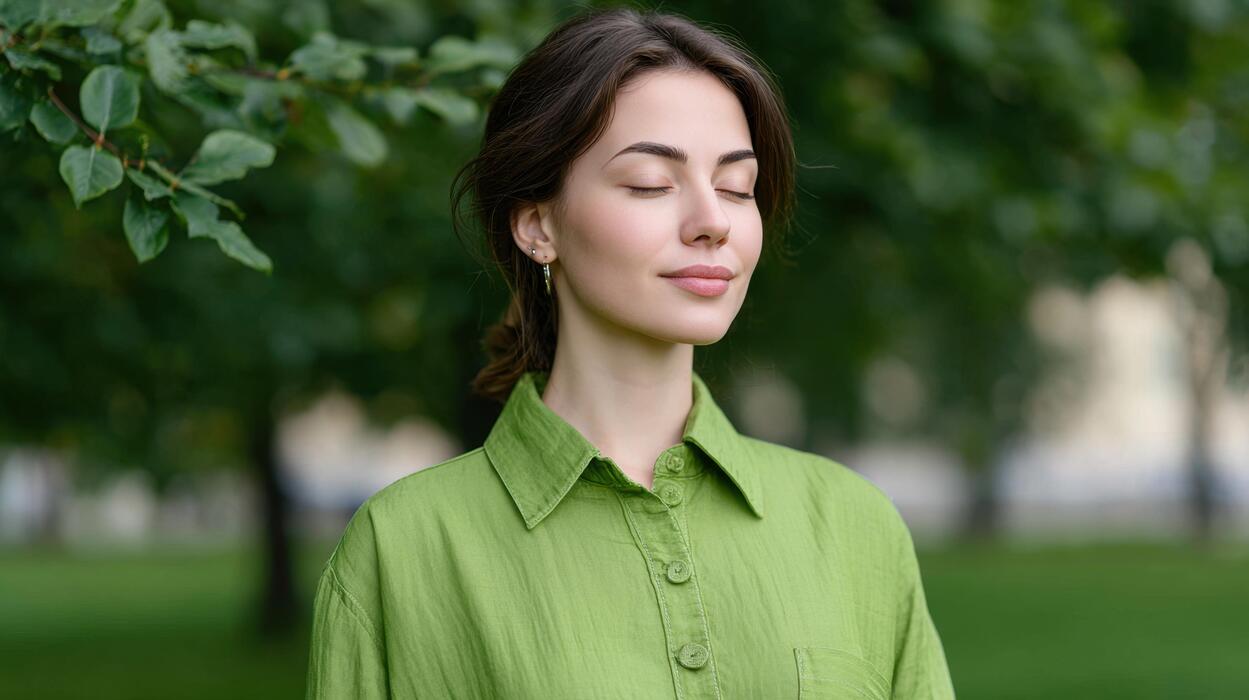
Here’s the thing: breathing is one of the only automatic bodily functions you can consciously control, and that makes it a direct line to your nervous system. Diaphragmatic breathing, sometimes called belly breathing, activates the parasympathetic nervous system, the branch responsible for the “rest and digest” state that counteracts the “fight or flight” response driving your anxiety1.
Normal, anxious breathing tends to be shallow and chest-focused. It keeps your body in a low-level state of alert, which feeds the anxiety loop. Diaphragmatic breathing breaks that loop deliberately.
How to practise diaphragmatic breathing (step by step)
- Sit or lie down comfortably. Place one hand on your chest, one on your belly.
- Breathe in slowly through your nose for 4 counts, letting your belly push outward (your chest should move very little).
- Hold for 2 counts.
- Exhale slowly through your mouth for 6 to 8 counts. The extended exhale is key.
- Repeat for 5 minutes.
That longer exhale is doing the heavy lifting. It stimulates the vagus nerve, which sends a direct signal to your heart and organs to slow down. You’ll often feel a shift within 3 to 5 breath cycles. Seriously.
A variation called box breathing (4 counts in, 4 hold, 4 out, 4 hold) is particularly useful in public settings because it’s completely invisible. No one at the office meeting will know you’re doing it.
Grounding Techniques That Work in Minutes (5-4-3-2-1 Method)

Anxiety lives in the future. It’s the “what if” machine running at full speed. Grounding techniques work by pulling your attention back to the present moment, interrupting that cycle through sensory awareness.
The 5-4-3-2-1 method is one of the most well-regarded grounding exercises for immediate anxiety relief. It’s used in clinical settings, it requires no equipment, and it works almost anywhere.
How to use the 5-4-3-2-1 grounding technique
- 5 things you can see: Look around deliberately. A lamp, a crack in the ceiling, your own hands.
- 4 things you can physically touch: The texture of your clothing, the chair beneath you, the temperature of the air.
- 3 things you can hear: Traffic outside, a distant conversation, your own breathing.
- 2 things you can smell: Even faint smells count. Your coffee, the room itself.
- 1 thing you can taste: A sip of water works perfectly.
This exercise typically takes 3 to 5 minutes. The act of naming sensory details engages your prefrontal cortex (the rational, calm part of your brain) and quiets the amygdala (the alarm centre). It’s not magic. It’s neuroscience.
I remember my GP recommending this to me years ago during a particularly rough patch of health anxiety. I thought it sounded a bit naff, honestly. Then I tried it in a packed GP waiting room and was genuinely surprised by how quickly my focus shifted. Anyway, the point is: don’t dismiss it before you try it.
Physical Movement and Stretches for Quick Anxiety Reduction
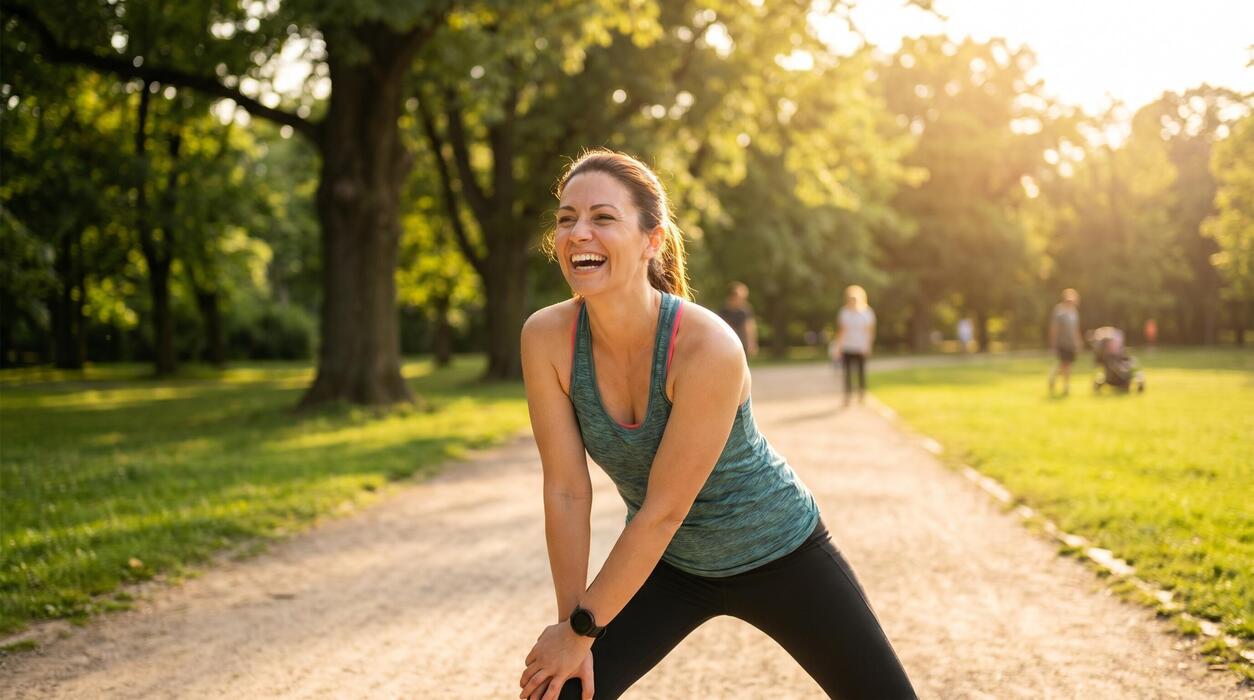
Can a short walk really help with anxiety? The answer is yes, and it’s not just about distraction. Physical movement releases endorphins and burns off the stress hormones (cortisol and adrenaline) that accumulate during anxious episodes. Even a 5 to 10 minute walk can produce a measurable reduction in anxiety symptoms.
You don’t need a gym session. Gentle movement is enough.
Quick movement techniques for immediate anxiety relief
- A brisk 5-minute walk: Even around the block or up and down stairs. The rhythmic movement has a naturally calming effect.
- Shoulder rolls and neck stretches: Anxiety stores itself in the shoulders and jaw. Slow, deliberate stretching releases that physical tension.
- Progressive muscle relaxation (PMR): Tense each muscle group for 5 seconds, then release. Start at your feet and work upward. A full cycle takes about 10 minutes and produces deep physical relaxation.
- Shaking or jumping on the spot: This sounds odd, but it mimics the natural discharge of stress hormones that animals use after a threat passes. It works.
PMR is particularly well-supported by evidence for both immediate and longer-term anxiety management. The technique of deliberately tensing then releasing muscle groups teaches your body the difference between tension and relaxation, making it easier to recognise and release anxiety-related physical tightness over time.
Mindfulness and Reassurance Strategies for Acute Anxiety
Reassurance isn’t weakness. Reminding yourself that what you’re experiencing is temporary, uncomfortable but not dangerous, is a legitimate cognitive tool. According to NHS guidance, panic attacks typically last between 5 and 30 minutes, and whilst they are intensely frightening, they are not physically harmful3.
Knowing that can make a real difference when you’re in the middle of one.
Helpful reassurance statements to use in the moment
- “This feeling is temporary. It will pass.”
- “My body is not in danger. This is anxiety, not a heart attack.”
- “I have felt this before and got through it.”
- “This is uncomfortable, but I can cope with discomfort.”
Mindfulness, specifically the practice of observing anxious thoughts without attaching to them, can also help during acute anxiety. Instead of fighting the thought, you notice it: “There’s that anxious thought again.” You’re not suppressing it. You’re just not feeding it.
Anxiety is not a sign that something is wrong with you. It’s a sign that your nervous system is working hard. The goal isn’t to eliminate it entirely, but to turn down the volume.
What NOT to Do When Experiencing Sudden Anxiety

Knowing what to avoid is just as important as knowing what to do. Some very common responses to anxiety actually make it worse, sometimes significantly.
Avoidance
This is the big one. Avoiding situations that trigger anxiety provides short-term relief but reinforces the anxiety long-term. Each time you escape a trigger, your brain files it under “genuinely dangerous,” making the anxiety stronger next time. NHS guidance is clear that gradually building exposure to anxiety triggers, at a pace you can manage, is one of the most effective long-term strategies2.
Caffeine and stimulants
That extra coffee when you’re already on edge? Rubbish idea. Caffeine increases heart rate and mimics several physical symptoms of anxiety, which can trigger or worsen an anxious episode. Alcohol might feel calming in the moment but disrupts sleep and increases anxiety the following day. Worth knowing.
Negative self-talk and catastrophising
“What if this never gets better?” “Something must really be wrong with me.” These thought patterns are normal during anxiety but actively harmful. They amplify the threat signal your brain is already sending. Interrupting them with grounding or reassurance is more effective than trying to argue yourself out of them logically.
Scrolling or distraction-seeking
Reaching for your phone and doom-scrolling might feel like distraction, but passive screen time often increases anxiety rather than reducing it. Active techniques (breathing, movement, grounding) are far more effective than passive consumption.
Natural Anxiety Relief Without Medication: Immediate Actions
How to reduce anxiety immediately without reaching for medication is a question many people ask, and the honest answer is that the techniques above are your best first line of response. They’re free, they’re accessible, and they have genuine evidence behind them.
That said, there are a few additional natural approaches worth knowing about.
Cold water
Splashing cold water on your face or holding ice cubes activates the dive reflex, a physiological response that slows the heart rate. It’s fast, simple, and surprisingly effective during high-intensity anxiety or the early stages of a panic attack.
Herbal teas
Chamomile and valerian root are commonly used for mild anxiety. The evidence is modest but present. They’re unlikely to provide instant relief in a crisis, but a warm drink in itself has a calming, ritualistic quality that can help settle a mild anxious episode.
Journalling
Writing down anxious thoughts, particularly in a structured “worry time” format (setting aside 15 minutes daily to write worries, then closing the notebook), can reduce the mental load of carrying anxiety around all day. It’s a technique supported by cognitive behavioural therapy (CBT) principles and can be started today with nothing more than a pen and paper.
Social connection
Talking to someone you trust is genuinely one of the fastest ways to interrupt an anxious spiral. It doesn’t need to be a deep conversation. Even a brief, light exchange can shift your nervous system out of high alert. If no one is available, calling a helpline like Samaritans (116 123) provides a similar grounding effect.
When to Seek Professional Help for Anxiety Episodes
These techniques are powerful, but they’re not a substitute for professional support when anxiety is persistent, severe, or significantly affecting your daily life. Know when to ask for help.
| Situation | Suggested action |
|---|---|
| Occasional mild anxiety, manageable day-to-day | Self-help techniques and lifestyle adjustments |
| Anxiety affecting work, relationships, or sleep regularly | Speak to your GP |
| Frequent panic attacks or inability to leave the house | Urgent GP appointment or referral to IAPT/talking therapies |
| Anxiety with thoughts of self-harm | Contact a crisis line or A&E immediately |
Your GP can refer you to NHS talking therapies (also known as IAPT), which offer CBT and other evidence-based treatments. These are available free on the NHS and have strong evidence for both generalised anxiety and panic disorder. You don’t need to be in crisis to access them.
But I digress. The point is: seeking help is not a last resort. It’s a smart, proactive step.
This content is for informational purposes only and does not constitute medical advice. Always consult a qualified healthcare professional before starting any new supplement, herbal remedy, or treatment plan. Do not use this information to diagnose or treat any health condition without professional guidance.
Related treatments from www.medsexpressuk.is
Regulated UK pharmacy. Prescription required where applicable.
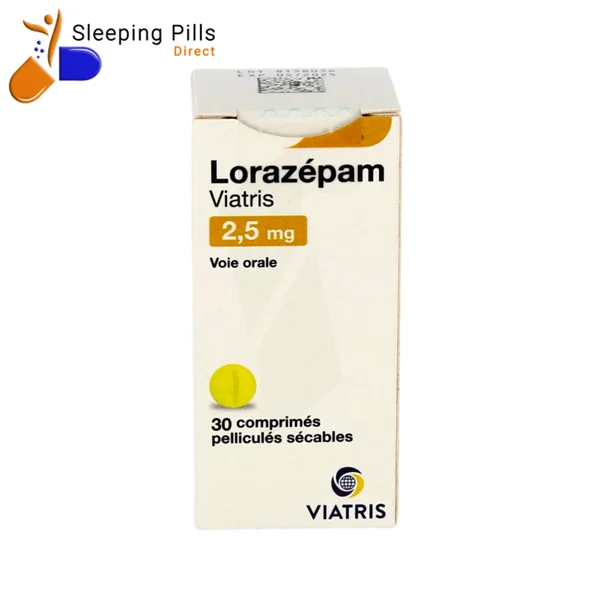
Lorazepam 2.5mg by Viatris
Lorazepam 2.5mg by Viatris is a benzodiazepine medication Helps with anxiety and insomnia relief Fast-acting and effective
£42.00Order treatment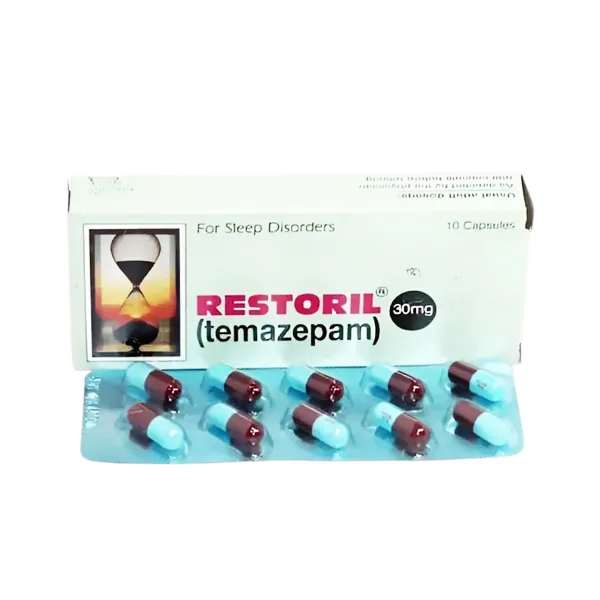
Restoril Temazepam 30mg
Restoril Temazepam 30mg for a restful night's sleep Relieves insomnia and anxiety Fast-acting and long-lasting effects
£50.00Order treatment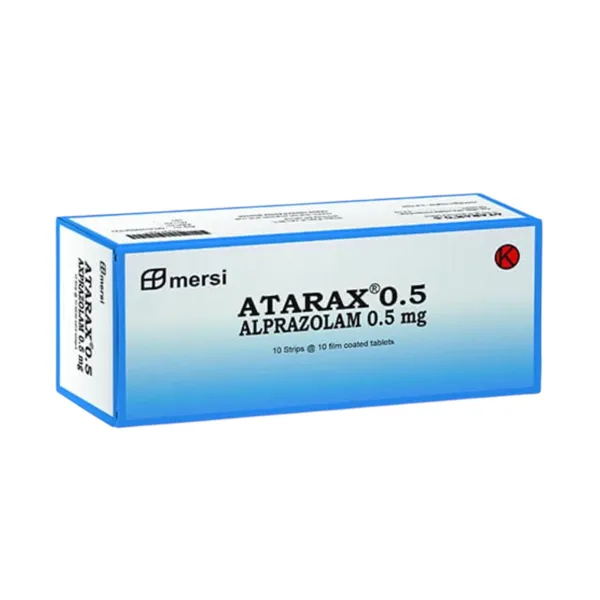
Atarax 0.5mg Alprazolam
Potent benzodiazepine formulation for anxiety management. Designed to assist with panic attacks and nervous tension. Fast-acting properties
£35.40Order treatment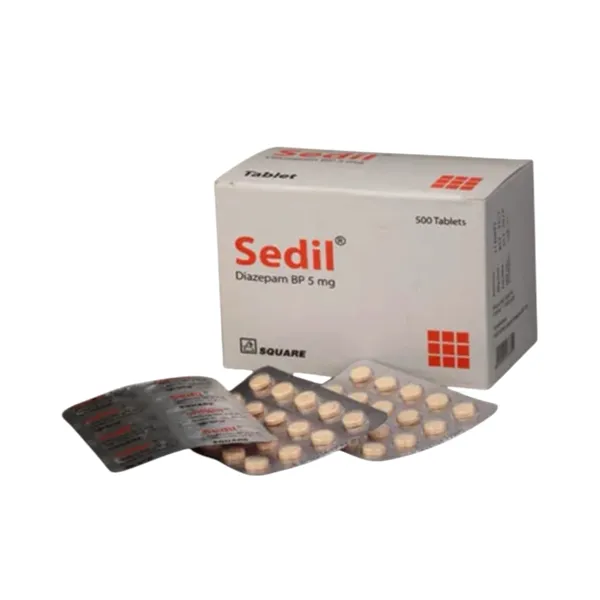
Sedi Diazapam 5mg
Sedi Diazapam 5mg for anxiety and stress relief Helps promote relaxation and calms the mind Supports a restful night's sleep
£36.00Order treatment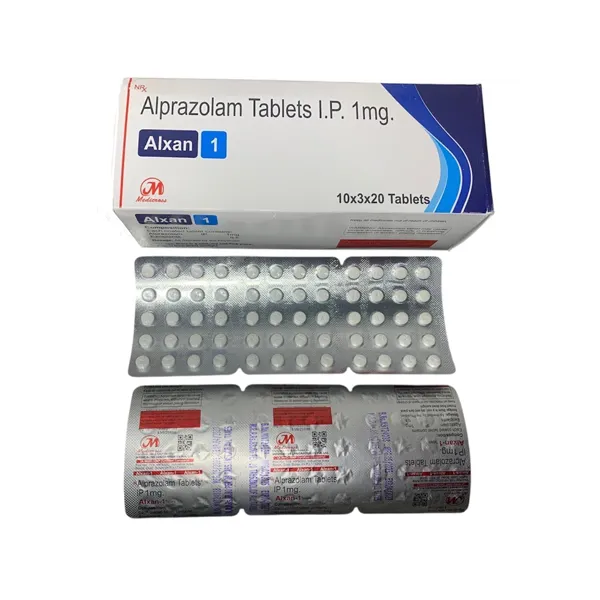
Alprazolam I.P 1mg (Axlan-1)
Alprazolam is used to treat anxiety disorders and panic disorder (sudden, unexpected attacks of extreme fear and worry about these attacks).
£26.00Order treatment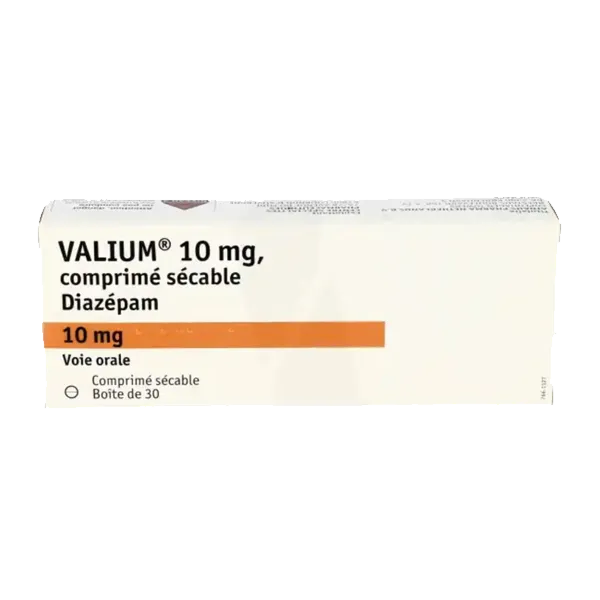
Valium 10mg by Atnahs
Valium 10mg by Atnahs offers powerful and reliable relief from anxiety, muscle spasms, and seizures. Each tablet contains 10mg of diazepam,
£40.00Order treatmentTreatments listed here are offered subject to online consultation. GPhC-registered pharmacy.
References
Frequently asked questions
Can you really reduce anxiety immediately in 5 minutes, and if so how?
Yes, certain techniques can produce a noticeable calming effect within 5 minutes. Diaphragmatic breathing with extended exhales activates the parasympathetic nervous system, which physically slows your heart rate and relaxes muscle tension. Grounding exercises like the 5-4-3-2-1 method can also shift your focus away from anxious thoughts in just a few minutes. These techniques won’t eliminate anxiety permanently, but they genuinely help in the moment.
What is the difference between diaphragmatic breathing and normal breathing for anxiety relief?
Normal breathing tends to be shallow and chest-focused, which can actually maintain or worsen anxiety by keeping the body in a mild state of alert. Diaphragmatic breathing involves drawing air deep into the belly, expanding the diaphragm rather than just the chest. This deeper breathing pattern signals to the nervous system that it’s safe to relax, triggering the parasympathetic response. The difference in effect can be felt within just a few slow, deliberate breaths.
How does the 5-4-3-2-1 grounding technique work for immediate anxiety?
The 5-4-3-2-1 technique works by anchoring your attention to the present moment through your five senses, interrupting the cycle of anxious thoughts. You name 5 things you can see, 4 you can touch, 3 you can hear, 2 you can smell, and 1 you can taste. This deliberate sensory focus pulls your brain out of worry mode and into the here and now. It’s particularly useful in public situations where other techniques might feel awkward.
How long does a panic attack typically last and what should you do during one?
According to the NHS, panic attacks typically last between 5 and 30 minutes, though the most intense symptoms usually peak within 10 minutes. They are frightening but not physically dangerous. During a panic attack, focus on slow diaphragmatic breathing, remind yourself that the feelings will pass, and try a grounding technique to stay connected to your surroundings. Avoid the urge to flee the situation if possible, as this can reinforce avoidance behaviours over time.
Is it safe to avoid anxiety-triggering situations, or does avoidance make anxiety worse?
Avoiding situations that trigger anxiety might feel like relief in the short term, but it tends to make anxiety worse over time. Each time you avoid a trigger, your brain reinforces the message that the situation is genuinely dangerous. NHS guidance suggests that gradually and safely building exposure to anxiety triggers is one of the most effective long-term strategies. Immediate relief techniques are best used alongside this gradual approach, not as a replacement for it.
How to reduce anxiety immediately when you’re at work or in public?
In public or at work, discreet techniques work best. Box breathing (inhaling for 4 counts, holding for 4, exhaling for 4, holding for 4) can be done silently at your desk. The 5-4-3-2-1 grounding method requires no equipment and looks like nothing from the outside. A short walk, even to the bathroom and back, can also help by releasing tension and giving your mind a brief reset.
Can connecting with someone help reduce anxiety immediately?
Yes, social connection is one of the most underrated immediate anxiety relief tools. Speaking with a trusted friend, colleague, or family member can interrupt the spiral of anxious thinking and provide reassurance. Even a brief, low-stakes conversation can help shift your nervous system out of high alert. If no one is available, some people find that calling a helpline like Samaritans (116 123) provides a similar grounding effect.